The Charity Commission Scandal: How Britain's 'Non-Political' Charities Became a Shadow Lobbying Empire for the Left

The Charity Commission, Britain's supposed watchdog for charitable conduct, has presided over the most brazen political laundering operation in modern British history. Across the country, hundreds of organisations masquerading as neutral charities are systematically campaigning for open borders, climate extremism, and progressive social policies — all while enjoying taxpayer funding and charitable tax breaks worth hundreds of millions annually.
 Photo: Charity Commission, via www.elysianit.com
The Scale of the Problem
Consider the numbers. According to the latest Charity Commission data, over 4,000 registered charities in England and Wales received direct government funding in the past year, totalling more than £2.8 billion. Many of these organisations spend substantial portions of their budgets on what can only be described as political advocacy, yet face virtually no regulatory consequences.
Take Refugee Action, which received £1.2 million in government grants last year whilst simultaneously campaigning against immigration enforcement and promoting 'safe routes' that would effectively eliminate border controls. Or Friends of the Earth, which pockets substantial public funding through various environmental schemes whilst lobbying against fracking, nuclear power, and any energy policy that prioritises British economic interests over green ideology.
The pattern is consistent and damning: progressive causes enjoy a vast, taxpayer-funded infrastructure that conservative viewpoints simply cannot match.
Regulatory Capture at the Commission
The Charity Commission's own guidelines are crystal clear: charities must not engage in party political activity, and any campaigning must be balanced and evidence-based. Yet enforcement is virtually non-existent. In the past five years, the Commission has taken meaningful action against fewer than a dozen charities for political overreach — despite thousands of clear violations.
Why this selective blindness? The answer lies in the Commission's own institutional capture. Senior staff routinely move between the regulator and the very organisations they're supposed to police. The Commission's current board includes several individuals with extensive backgrounds in progressive campaigning organisations, creating an obvious conflict of interest that would be scandalous in any properly functioning democracy.
Meanwhile, conservative-leaning organisations face scrutiny that borders on harassment. The Campaign for Common Sense, which promotes traditional British values, has endured three separate investigations in two years, whilst explicitly political charities like Hope Not Hate operate with impunity despite clear breaches of neutrality requirements.
The Taxpayer Subsidy for Left-Wing Politics
This isn't merely about regulatory failure — it's about democratic legitimacy. When charities like the Joseph Rowntree Foundation use their £200 million endowment to fund research consistently supporting Labour policies, or when Oxfam campaigns against Conservative welfare reforms whilst receiving £30 million annually in government contracts, British taxpayers are effectively subsidising political opposition to their own democratically elected government.
The left understands what conservatives have been slow to grasp: charitable status provides unparalleled political leverage. These organisations enjoy public trust, media access, and moral authority that purely political groups cannot match. When a 'charity' publishes research or makes policy recommendations, it carries weight that naked political advocacy never could.
The International Dimension
The problem extends beyond domestic politics. Many British charities receive substantial funding from foreign progressive foundations, particularly American donors like George Soros's Open Society network. These organisations then use their British charitable status to lobby for policies that align with international progressive agendas rather than British national interests.
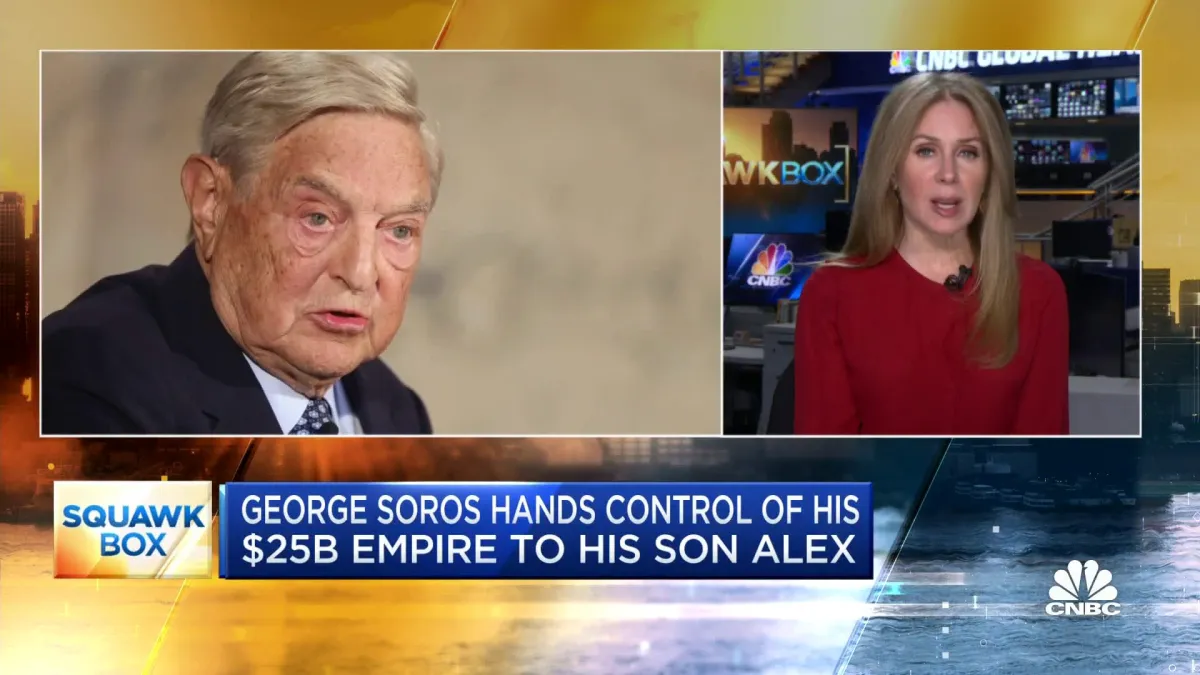 Photo: George Soros, via image.cnbcfm.com
ClientEarth, for instance, has received millions from American environmental foundations whilst using British courts to block energy projects and infrastructure developments. The organisation's charitable status gives it standing to challenge government decisions in ways that foreign political actors could never achieve directly.
What Genuine Reform Looks Like
The solution isn't to eliminate charitable tax relief — genuine charities performing real social good deserve support. But the system requires fundamental reform to restore democratic accountability.
First, any charity receiving government funding should be prohibited from political campaigning entirely. If organisations want to lobby, they should do so as honest political actors, not under the false flag of charitable neutrality.
Second, the Charity Commission needs new leadership and a clear mandate to enforce existing rules without fear or favour. Political campaigning by charities should trigger automatic investigations, not the current system of complaints-based enforcement that allows systematic abuse to continue unchecked.
Third, transparency requirements must be strengthened. Every charity should be required to publish detailed breakdowns of their funding sources, including foreign donations and government contracts. The public has a right to know who's paying for the political messaging they receive from supposedly neutral sources.
The Democratic Stakes
Critics will argue that charities have legitimate roles in policy debates and that conservative concerns reflect sour grapes about losing cultural arguments. This misses the fundamental point: the issue isn't whether charities should engage with policy, but whether they should do so whilst enjoying taxpayer subsidies and regulatory privileges denied to honest political organisations.
The current system creates a two-tier democracy where progressive viewpoints enjoy massive institutional advantages funded by the very taxpayers whose political preferences they seek to override. This isn't pluralism — it's a rigged game that undermines the basic principle that political competition should occur on level ground.
Britain's charitable sector has been captured by political activists who've discovered that ideological campaigning becomes far more effective when wrapped in the language of social good and subsidised by public money. The Charity Commission's failure to police this corruption represents one of the gravest threats to democratic legitimacy in modern Britain — and it's happening in plain sight whilst regulators look the other way.