The Crown Estate Stitch-Up: Why Handing GB Energy Control Over Britain's Seabed Is a Scandal in Slow Motion
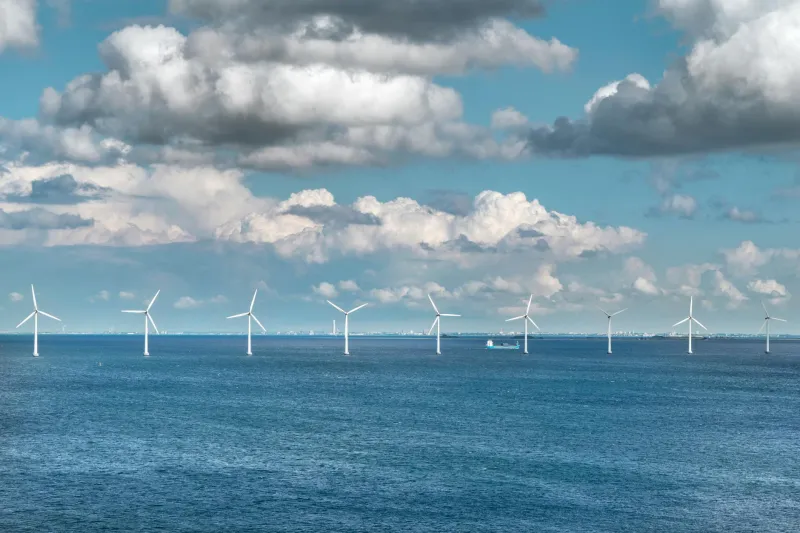
Buried beneath Labour's grandiose rhetoric about 'clean energy independence' lies one of the most audacious asset grabs in modern British political history. The government's plans to integrate GB Energy with Crown Estate operations represent nothing less than the transformation of Britain's territorial waters into a political slush fund — one that will enrich Labour's allies whilst leaving taxpayers and energy consumers to foot the bill.
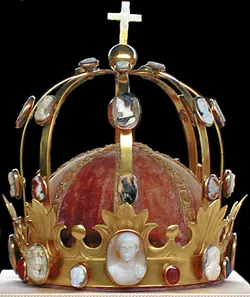 Photo: Crown Estate, via upload.wikimedia.org
The Crown Jewels Up for Grabs
The Crown Estate controls approximately 65% of Britain's foreshore and virtually all of the UK's territorial seabed — assets worth an estimated £16.5 billion that generate over £400 million annually for the Treasury. These aren't abstract government holdings; they represent some of the most valuable real estate on Earth, covering prime offshore wind development sites that could power Britain for generations.
Under current arrangements, the Crown Estate operates as an independent commercial entity, with profits flowing directly to the Treasury and ultimately benefiting all British taxpayers. Private developers compete transparently for seabed leases through established auction processes, ensuring market-rate returns for public assets.
Labour's GB Energy proposals would fundamentally alter this arrangement, creating a hybrid entity that combines the Crown Estate's asset control with a new state energy company's commercial operations. The result? A massive conflict of interest that puts public assets at the service of political objectives rather than economic efficiency.
State Capitalism's Poisoned Chalice
The government frames GB Energy as a 'publicly owned clean energy company' that will 'compete' with private providers whilst generating returns for taxpayers. This narrative conveniently ignores the fundamental contradiction at the heart of the scheme: how can GB Energy compete fairly when it enjoys preferential access to the very seabed assets that private companies must bid for at market rates?
Early indications suggest GB Energy will receive priority access to Crown Estate sites for offshore wind development, effectively creating a two-tier market where the state-owned entity enjoys advantages unavailable to private competitors. This isn't competition — it's market rigging on an industrial scale.
The economic logic is equally dubious. Private energy companies already possess the technical expertise, financial resources, and risk appetite necessary for large-scale offshore development. GB Energy, by contrast, starts with no operational experience, no proven track record, and no private capital at risk. Yet this untested entity will receive preferential treatment for Britain's most valuable energy assets.
The Accountability Black Hole
Perhaps most troubling is the governance structure Labour proposes for this arrangement. GB Energy will operate as a 'arm's length' government company, theoretically independent but ultimately controlled by ministers. The Crown Estate, meanwhile, will maintain its current status whilst entering into 'strategic partnerships' with the new entity.
This hybrid structure creates a perfect storm of unaccountability. When GB Energy makes questionable commercial decisions — and it will — ministers can claim operational independence. When the Crown Estate grants favourable terms to the state company, officials can point to their statutory duties whilst ignoring obvious conflicts of interest.
Parliamentary oversight becomes virtually impossible under such arrangements. MPs cannot scrutinise operational decisions by an 'independent' company, whilst the Crown Estate's commercial confidentiality provisions shield deal-making from public scrutiny. The result is a multi-billion-pound operation answerable to no one.
The French Disease
Britain need look no further than France to see where state-dominated energy markets lead. EDF, the French state energy giant, has accumulated debts exceeding €60 billion whilst consistently delivering higher consumer prices than competitive markets achieve. The company's political mandate to maintain employment and pursue national champions policies has systematically undermined commercial discipline.
GB Energy promises to repeat these mistakes on British soil. When political objectives conflict with commercial logic — as they inevitably will — taxpayers will bear the cost whilst energy consumers pay inflated prices for politically driven decisions.
The Real Winners and Losers
Who benefits from this arrangement? Certainly not British taxpayers, who will see valuable public assets diverted from Treasury revenues to subsidise a politically motivated experiment. Not energy consumers, who will face higher bills as market competition gives way to state direction. Not private investors, who will find themselves competing against a state-backed entity with preferential access to the best development sites.
The real winners are the Labour Party's political allies in the renewable energy sector — consultants, contractors, and developers who stand to benefit from a less competitive market dominated by political rather than commercial considerations. The revolving door between Labour politics and the green energy industry ensures that today's ministers will tomorrow become highly paid advisors to the companies they're currently favouring with public assets.
A Sovereignty Sell-Off
The Crown Estate represents one of Britain's most tangible expressions of national sovereignty — territorial waters that belong to the British people and should generate returns for the British Treasury. Labour's plans effectively privatise these benefits, diverting them from general public use to subsidise a politically motivated energy company.
This isn't energy independence — it's energy nationalism that subordinates economic efficiency to political control. True energy security comes from competitive markets that attract private investment and drive technological innovation, not from state-controlled entities that prioritise political objectives over commercial performance.
The Alternative Path
Britain doesn't need GB Energy to achieve energy independence. The existing Crown Estate model already provides a transparent, competitive framework for offshore development whilst generating substantial returns for taxpayers. Private companies are queuing up to invest in British offshore wind, attracted by the country's excellent natural resources and stable regulatory environment.
What Britain needs is more competition, not less. The government should be expanding Crown Estate auctions, streamlining planning processes, and removing barriers to private investment — not creating state-backed competitors that distort markets and reduce overall efficiency.
Labour's GB Energy scheme represents the triumph of political ideology over economic sense, a return to the failed state capitalism that characterised Britain's economic decline in the 1970s. The Crown Estate's assets belong to all Britons — they shouldn't become political playthings for a government more interested in headlines than results.