When Opinion Becomes Criminal
Britain is sleepwalking into a surveillance state where the wrong tweet can earn you a police visit and the wrong joke can land you in court. Across the country, ordinary citizens are finding themselves investigated, cautioned, or prosecuted for expressing views that, until recently, would have been considered perfectly legitimate discourse in a free society.
The latest casualty is the very concept of free speech itself. What began as well-intentioned legislation to prevent genuine incitement to violence has morphs into a sprawling censorship apparatus that treats hurt feelings as hate crimes and conflates robust debate with criminal behaviour.
The Expanding Definition of 'Hate'
The journey from legitimate hate speech laws to today's thought policing began with the Public Order Act 1986, which criminalised threatening, abusive, or insulting words likely to cause harassment, alarm, or distress. At the time, this seemed reasonable—a measured response to genuine public order concerns.
But like all government powers, it expanded. The Crime and Disorder Act 1998 introduced 'hate crime' enhancements. The Communications Act 2003 extended these principles to electronic communications. The Equality Act 2010 broadened protected characteristics. Each step seemed modest in isolation, yet collectively they've created a legal framework where virtually any statement can be construed as criminal if it causes someone distress.
The Online Safety Act 2023 represents the latest—and perhaps most dangerous—evolution. Under its provisions, platforms must remove 'legal but harmful' content, effectively outsourcing censorship decisions to Silicon Valley algorithms and overzealous moderators. The Act's definitions are so broad that satirical memes, political criticism, and even factual statements about contentious issues can trigger investigations.
The Human Cost of Speech Policing
The statistics are sobering. According to the Crown Prosecution Service, hate crime prosecutions have increased by 174% since 2015. But these aren't just numbers—they represent real people whose lives have been upended for the crime of speaking their minds.
Consider the case of Harry Miller, a former police officer investigated by Humberside Police for retweeting a limerick about transgender issues. No crime was committed, no violence incited, yet police officers arrived at his workplace to 'check his thinking.' The Court of Appeal eventually ruled that such investigations had a 'chilling effect' on free speech, but the damage was done.
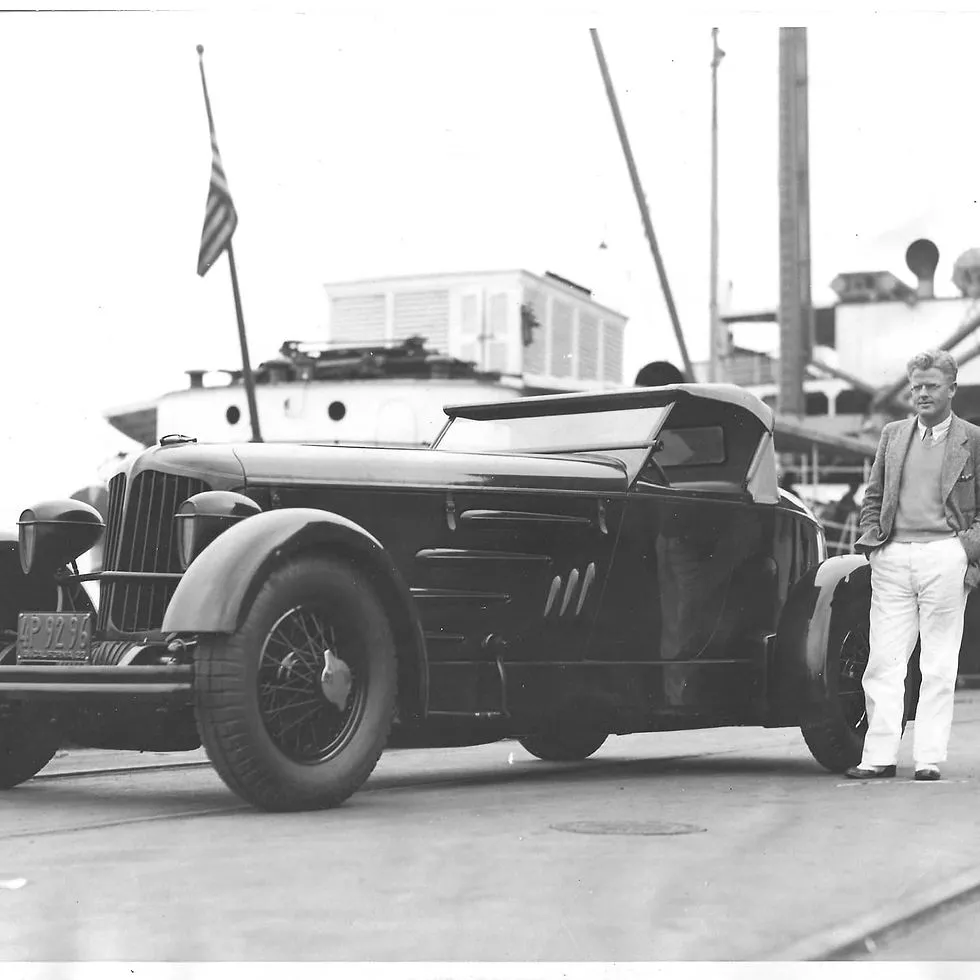 Photo: Harry Miller, via static.wixstatic.com
Or take the prosecution of comedian Count Dankula, fined £800 for teaching his girlfriend's pug to perform a Nazi salute as a joke. The context—a private video mocking extremism—was irrelevant. The court ruled that context 'does not provide a defence' to causing gross offence.
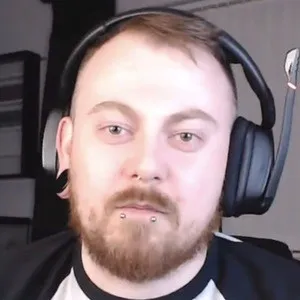 Photo: Count Dankula, via www.famousbirthdays.com
These aren't isolated incidents. Freedom of Information requests reveal that police forces across Britain are investigating thousands of 'non-crime hate incidents' annually—reports that don't meet the threshold for criminal charges but are nonetheless recorded against individuals' names, potentially affecting employment and security clearances.
The Chilling Effect on Democratic Discourse
The defenders of this expanding censorship regime argue they're protecting vulnerable groups from harm. This sounds compassionate, but it fundamentally misunderstands both the nature of free speech and the requirements of democratic governance.
Free speech has never been about protecting popular or comfortable opinions—those need no protection. It exists precisely to safeguard unpopular, uncomfortable, or minority viewpoints that might otherwise be suppressed by social pressure or state power. When we criminalise offensive speech, we don't eliminate offensive thoughts—we merely drive them underground, where they fester without challenge or correction.
Moreover, democratic self-governance requires robust debate about contentious issues. How can voters make informed decisions about immigration policy if discussing immigration statistics becomes hate speech? How can we address concerns about religious extremism if criticising certain religious practices is criminalised? How can we protect women's rights if questioning gender ideology is forbidden?
The answer is that we can't. A democracy that cannot freely discuss the issues that matter most is no democracy at all.
The Slippery Slope in Action
Critics often dismiss 'slippery slope' arguments as fallacious, but Britain's hate speech laws provide a textbook example of how incremental expansions of state power lead to tyrannical outcomes. What began as laws against incitement to violence now encompasses:
- Jokes deemed offensive by complainants
- Factual statements about crime statistics
- Religious or philosophical disagreements
- Political criticism of protected groups
- Academic research on sensitive topics
- Historical commentary on contentious events
Each expansion was justified by appeals to compassion and safety. Each was presented as a modest, reasonable measure to address a specific harm. Yet collectively, they've created a system where almost any expression can be criminalised if it upsets the wrong person.
Outsourcing Censorship to Tech Giants
The Online Safety Act compounds these problems by effectively privatising censorship. Social media platforms, terrified of regulatory punishment, now err on the side of over-removal. Content that would be perfectly legal to express in a pub or town square disappears from digital spaces without appeal or explanation.
This represents a profound shift in how free speech operates in modern Britain. Traditional censorship required state actors to identify, prosecute, and punish offensive speech—a cumbersome process that provided some protection through due process. Digital censorship operates through algorithmic detection and automated removal, bypassing courts entirely.
The result is a system where Silicon Valley's community standards—designed primarily for American audiences and corporate liability—effectively determine what British citizens can say to each other online.
The International Embarrassment
Britain once led the world in defending free expression. The country that gave us John Stuart Mill's 'On Liberty' and served as a beacon of liberal democracy now finds itself ranked 26th in the World Press Freedom Index, behind countries like Ghana and South Korea.
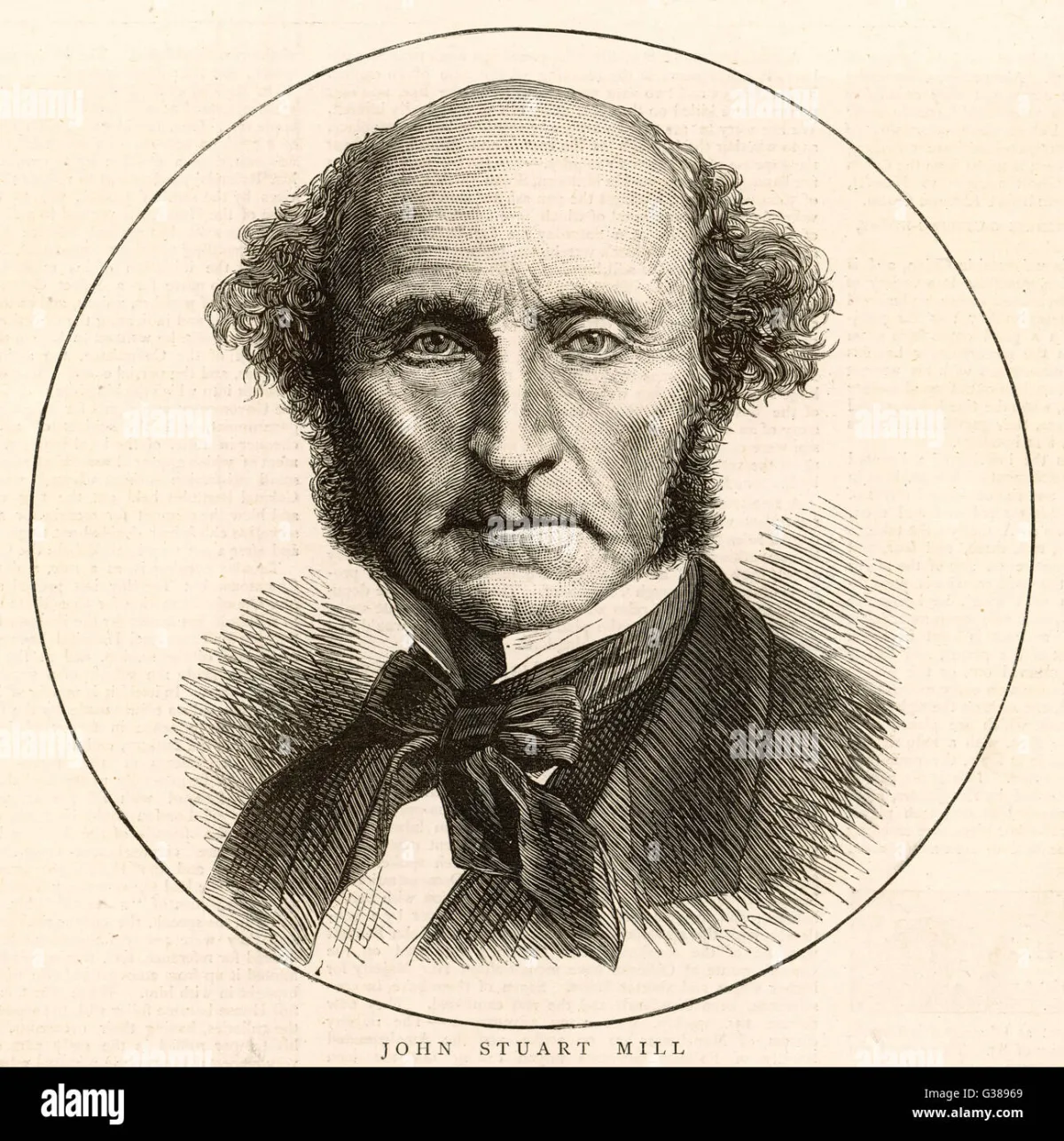 Photo: John Stuart Mill, via c8.alamy.com
This decline isn't accidental—it's the predictable result of prioritising emotional comfort over intellectual freedom. When we criminalise offensive speech, we don't create a kinder society; we create a more fearful one, where citizens self-censor rather than risk investigation.
Reclaiming Free Speech
The solution isn't complex, but it requires political courage. Parliament must roll back the hate speech laws that have metastasised beyond recognition. The Online Safety Act's 'legal but harmful' provisions must be repealed. Police forces must be instructed to focus on actual crimes rather than hurt feelings.
Most importantly, Britain's political class must rediscover the liberal principle that the cure for offensive speech is more speech, not enforced silence. In a free society, bad ideas are defeated through argument and evidence, not police investigations and court orders.
Conclusion
A nation that criminalises offensive opinions has already lost the war for its soul, regardless of how noble the intentions behind such laws might appear.