
The Quiet Death of Local Justice
Britain's magistrates' courts are dying a slow, bureaucratic death. Case backlogs have reached record levels, with some defendants waiting over a year for trial. Court closures have accelerated under both Conservative and Labour governments, forcing cases hundreds of miles from where crimes were committed. What was once the backbone of British justice — swift, local, and rooted in community accountability — is being quietly dismantled by Whitehall bean-counters who see only cost centres where they should see civic institutions.
The statistics tell a damning story. Since 2010, over 300 magistrates' courts have closed across England and Wales. The Magistrates' Association reports that recruitment has collapsed, with many benches struggling to maintain quorum. Meanwhile, the Crown Prosecution Service admits that simple cases are taking months to reach court, while victims and witnesses lose faith in a system that seems designed to exhaust rather than deliver justice.
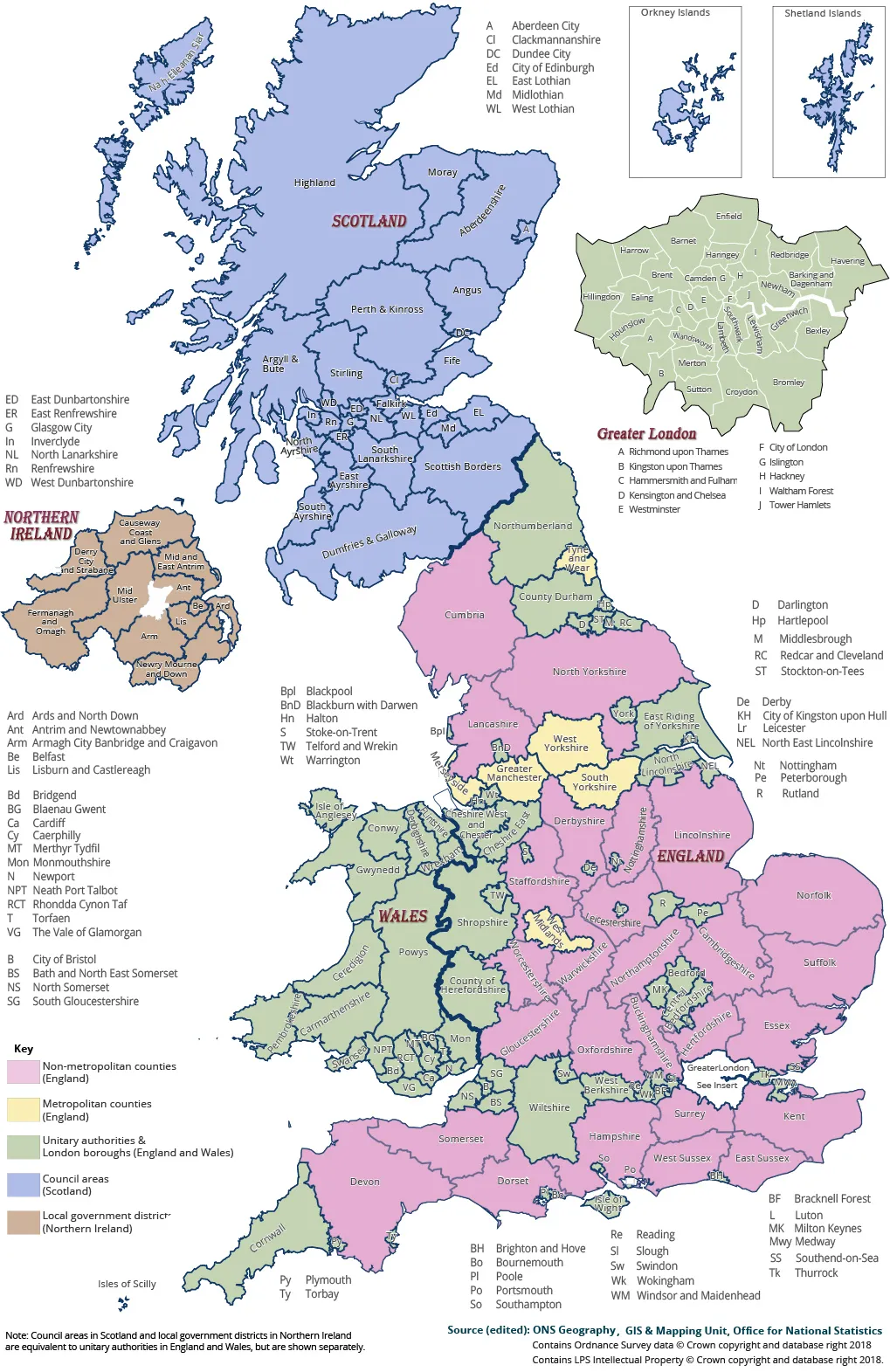 Photo: England and Wales, via www.geographicguide.com
The Conservative Case for Magistrates
This should be a conservative cause par excellence. Magistrates embody everything the right claims to champion: local accountability, civic duty, and justice rooted in community standards rather than metropolitan elite sensibilities. These are not career bureaucrats or Oxbridge-educated barristers imposing their worldview from on high. They are local people — shopkeepers, teachers, retired police officers — who understand their communities and deliver justice accordingly.
The magistrates' system is also remarkably cost-effective. Training a magistrate costs a fraction of what it takes to produce a district judge, yet they handle 95% of all criminal cases. This is small government conservatism in action: volunteer citizens taking responsibility for their communities rather than leaving everything to the state.
Yet successive governments have treated magistrates as an inconvenience to be managed away. Court closures are justified as 'efficiency savings', while the real agenda is centralisation for its own sake. The Ministry of Justice would rather funnel cases through fewer, larger courts staffed by salaried professionals than trust local people to deliver justice.
The Legal Aid Catastrophe
The crisis has been accelerated by the virtual collapse of legal aid. The Legal Aid, Sentencing and Punishment of Offenders Act 2012 cut criminal legal aid by 40%, driving experienced solicitors out of the system. Many magistrates' courts now routinely see defendants representing themselves in complex cases, turning proceedings into chaotic farces that serve nobody.
This is not the fault of individual magistrates, who are doing their best in impossible circumstances. It is the predictable result of policy decisions that prioritised short-term savings over the functioning of the justice system. When you make it economically unviable for competent lawyers to take legal aid cases, you end up with either no representation or incompetent representation. Either way, justice suffers.
The Bureaucratic Stranglehold
Perhaps most damagingly, the magistrates' system has been suffocated by bureaucracy. What once took minutes now requires hours of form-filling and process compliance. Magistrates report spending more time on administrative tasks than actually dispensing justice. The spontaneous, common-sense approach that made magistrates effective has been replaced by rigid procedures designed by civil servants who have never sat on a bench.
The digitalisation agenda has made things worse. Courts that once operated with simple paper systems now require expensive IT infrastructure that frequently breaks down. Cases are delayed not by complex legal arguments but by computer failures and software glitches. This is the modern British state in microcosm: taking something that worked and making it worse in the name of progress.
Labour's False Solutions
Labour's response to this crisis is predictably statist: more money for the system without addressing its fundamental problems. They propose reopening some courts and increasing legal aid funding, but show no interest in the regulatory burden that is strangling local justice. Their instinct is always to throw money at problems rather than trust communities to solve them.
Worse, Labour seems actively hostile to the volunteer principle that makes magistrates effective. Their preference is for professional judges and state-employed administrators — exactly the kind of bureaucratic takeover that has caused the current crisis.
What Real Reform Looks Like
Conservatives should be championing a radical devolution of justice to the local level. This means not just reopening courts but giving magistrates real powers and removing the bureaucratic obstacles that prevent them from doing their jobs. It means trusting local people to understand local problems better than distant civil servants.
It also means confronting the legal establishment that profits from complexity. The simpler and more local justice becomes, the less need there is for expensive lawyers and elaborate procedures. That threatens powerful interests who prefer a system that generates fees rather than delivers results.
The Stakes Are Higher Than Justice
The magistrates' crisis is about more than court efficiency. It represents the broader erosion of civic institutions that once bound communities together. When local people lose the ability to hold wrongdoers accountable, they lose faith in the system itself. The rise in vigilante justice and community tensions is partly a response to the perception that official justice has abandoned ordinary people.
Restoring effective magistrates' courts would signal that the state trusts citizens to take responsibility for their communities. It would reconnect justice with the people it serves and restore the principle that law should reflect community standards, not elite preferences.
Britain's magistrates deserve better than managed decline dressed up as modernisation — and so do the communities they serve.