The Parole Board Problem: Who Is Releasing Dangerous Offenders Back Onto Britain's Streets — and Who Is Accountable When It Goes Wrong?

The Unaccountable Court of Last Resort
In a windowless room somewhere in Britain, a handful of unelected officials decide whether violent criminals walk free or remain behind bars. The public knows nothing about these deliberations, has no say in who makes these decisions, and discovers the consequences only when released offenders strike again. Welcome to Britain's Parole Board – the most powerful judicial body you've never heard of, where life-and-death decisions are made in secret and accountability is a foreign concept.
Last month alone, the Parole Board approved the release of 847 prisoners, including 23 convicted of violent offences and 12 sex offenders. The public learned nothing about the reasoning behind these decisions, the evidence considered, or even the identities of those making the calls. When pressed for transparency, the Board cites 'operational reasons' and 'prisoner confidentiality' – convenient excuses for an organisation that prefers darkness to scrutiny.
When the System Fails
The human cost of parole failures is measured in broken lives and grieving families. Colin Pitchfork, the double child murderer, was released in 2021 despite fierce public opposition, only to be recalled within months for breaching licence conditions. Joseph McCann, freed early from prison, went on a horrific spree of kidnap and rape across multiple counties. The Parole Board's response to such failures follows a predictable pattern: express regret, promise reviews, change nothing fundamental.
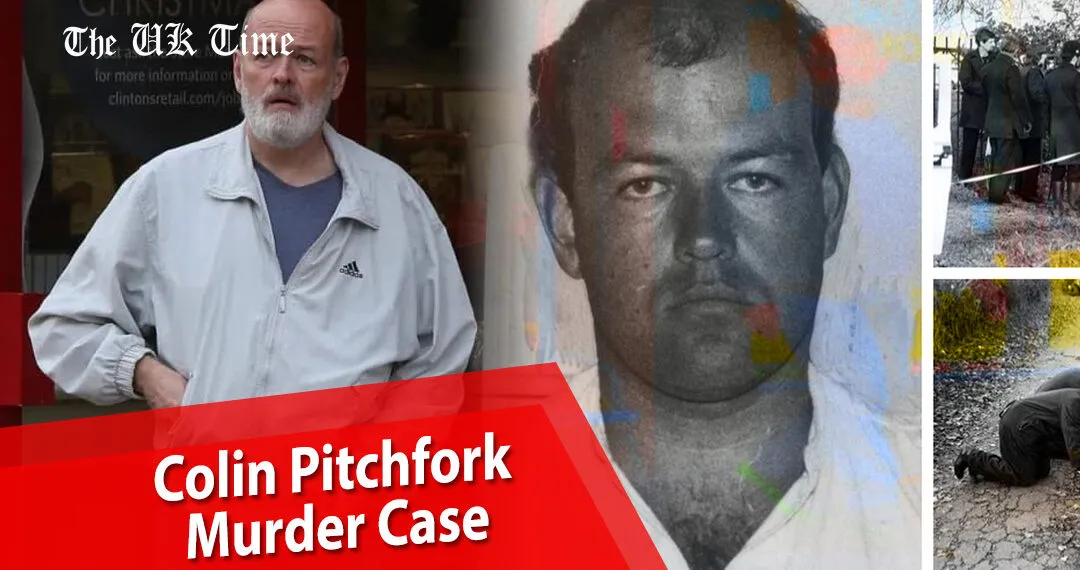 Photo: Colin Pitchfork, via theuktime.com
Consider the case of Usman Khan, released on licence after serving eight years for terrorism offences. The Parole Board deemed him suitable for release despite clear evidence of continued radicalisation. Within months, Khan murdered two people at London Bridge in a terrorist attack that proper risk assessment should have prevented. The Board's post-incident review concluded that 'lessons had been learned' – cold comfort to the families destroyed by their misjudgement.
 Photo: Usman Khan, via storage.googleapis.com
 Photo: London Bridge, via c8.alamy.com
These aren't isolated incidents but symptoms of systemic failure. Ministry of Justice statistics show that serious further offences by those on licence have increased by 37% since 2010, yet the Parole Board continues operating under the same secretive, unaccountable model that produced these disasters.
The Rehabilitation Myth
The Parole Board operates under the progressive assumption that most offenders can be successfully rehabilitated and pose minimal ongoing risk to public safety. This therapeutic optimism sounds admirable in university criminology departments but crumbles when confronted with reality.
Recidivism rates tell the true story. Within two years of release, 28% of all prisoners are reconvicted, rising to 44% for those serving sentences of less than 12 months. For sexual offenders – supposedly lower risk according to parole orthodoxy – reconviction rates remain stubbornly high despite decades of 'evidence-based' intervention programmes.
The Board's defenders argue that these figures prove the system works, since most released prisoners don't reoffend. This misses the fundamental point: even a 10% failure rate means hundreds of preventable victims each year. When the stakes involve rape, murder, and terrorism, 'mostly successful' isn't good enough.
Secret Justice
Britain's Parole Board operates with less transparency than Soviet show trials. Hearings are held in private, decisions are rarely published in detail, and the reasoning behind releases remains opaque even when disasters follow. The public learns about parole decisions only through brief press releases or, more commonly, when released offenders commit fresh crimes.
This secrecy serves the Board's interests, not public safety. Without scrutiny, members face no pressure to justify lenient decisions or explain why obvious risks were ignored. The closed-door system allows progressive ideology to flourish unchecked, with rehabilitation theories privileged over public protection.
Contrast this with other democracies. Several US states require parole hearings to be public, with victims' families entitled to attend and make statements. Decisions must be justified in writing, and board members face regular reappointment processes. Such transparency doesn't guarantee perfect decisions, but it ensures accountability when things go wrong.
The Democratic Deficit
Perhaps most troubling is the complete absence of democratic oversight in Britain's parole system. Board members are appointed through opaque processes, serve lengthy terms without reappointment scrutiny, and answer to no elected official for their decisions. When violent criminals are released and reoffend, no politician faces questions because none had authority over the decision.
This arrangement suits the political establishment perfectly. Ministers can express concern about parole failures while disclaiming responsibility, since the Board operates 'independently'. MPs can demand reviews and reforms while knowing the system's fundamental structure remains unchanged. The public's anger is directed at faceless bureaucrats rather than elected officials who could actually reform the system.
The result is a parole process that serves everyone except the public it's supposed to protect. Criminals benefit from sympathetic hearing panels, lawyers profit from lengthy appeals, academics enjoy implementing their rehabilitation theories, and politicians avoid accountability for the consequences.
The Conservative Case for Reform
A properly conservative approach to parole would begin with a simple principle: public safety trumps offender welfare. This doesn't mean abandoning rehabilitation or keeping everyone locked up indefinitely, but it does mean erring on the side of caution when violent criminals seek early release.
First, transparency must replace secrecy. Parole hearings should be open to public scrutiny, with decisions published in full and reasoning explained in detail. Victims' families should have the right to attend hearings and present impact statements. The public deserves to know who is making these decisions and on what basis.
Second, democratic accountability must be restored. The Justice Secretary should have power to override parole decisions in exceptional cases, particularly involving terrorism or multiple violent offences. This wouldn't politicise the process but would ensure elected officials can act when public safety demands it.
Third, the burden of proof should shift. Rather than requiring authorities to prove prisoners remain dangerous, parole should require clear evidence that release poses minimal risk. For the most serious offenders – murderers, terrorists, repeat violent criminals – the presumption should be against release unless compelling evidence supports it.
Minimum Terms, Maximum Protection
The most fundamental reform needed is mandatory minimum terms for serious violent offences. When judges sentence murderers to 'life' imprisonment, the public reasonably expects them to serve substantial portions of their sentences. Yet the current system allows release after serving as little as 40% of the headline sentence.
Mandatory minimums would restore truth in sentencing while reducing the Parole Board's discretion in the most serious cases. A murderer sentenced to 25 years should serve at least 15 years before any possibility of release. Terrorists should serve their full sentences without parole consideration. Repeat violent offenders should face escalating minimum terms that reflect their continued danger to society.
Critics argue that mandatory minimums are inflexible and ignore individual circumstances. But flexibility in the current system has produced Colin Pitchfork's release, Joseph McCann's rampage, and Usman Khan's terrorism. When flexibility means prioritising offender welfare over public safety, inflexibility becomes a virtue.
The Price of Progressive Ideology
Britain's parole system embodies everything wrong with progressive criminal justice: faith in rehabilitation over evidence, secrecy masquerading as sophistication, and elite preferences imposed without democratic consent. The result is a system that serves everyone except its supposed beneficiaries – law-abiding citizens who deserve protection from violent criminals.
Reform requires more than tinkering with procedures or appointing new board members. It demands fundamental recognition that public safety must come first, that transparency beats secrecy, and that democratic accountability cannot be delegated to unelected experts who face no consequences for their failures.
Until politicians grasp this nettle, the Parole Board will continue operating in shadows, releasing dangerous criminals who should remain behind bars, while the public pays the price for an ideology that values offender welfare over victim safety.