The Evidence Is Overwhelming
Across Britain, a pattern has emerged that should alarm anyone who believes in the rule of law. Police forces are systematically applying different standards of enforcement depending on the political or ideological identity of those involved. This isn't speculation or partisan grievance — it's a documented crisis that strikes at the heart of British justice.
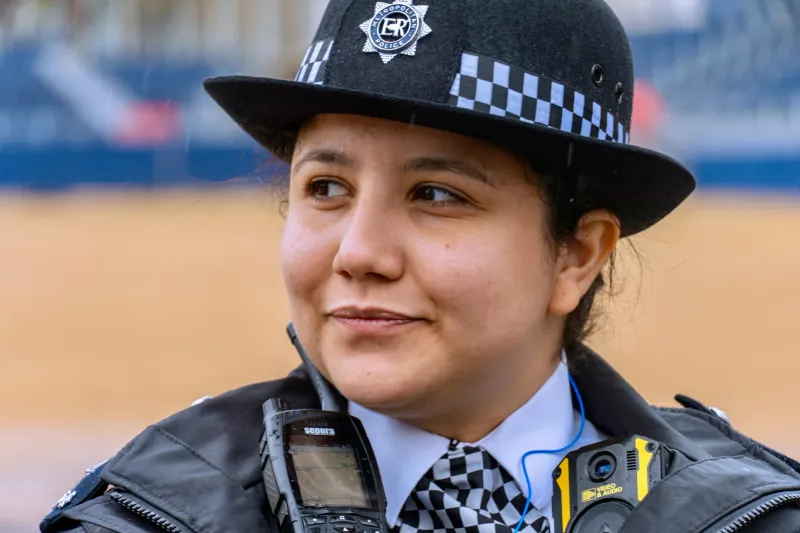
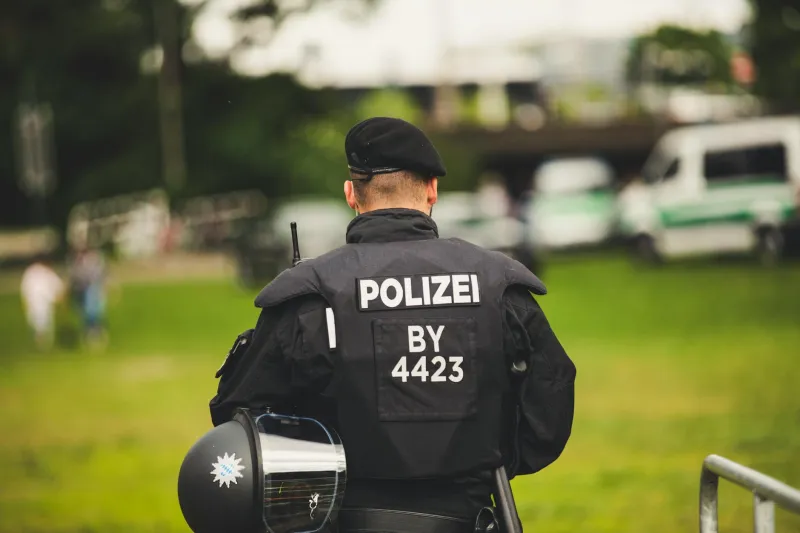
The Metropolitan Police's handling of Just Stop Oil protesters offers perhaps the starkest example. Despite causing millions of pounds in economic damage through road blockades, airport disruptions, and vandalism of historic monuments, these activists routinely receive what can only be described as kid-glove treatment. Officers have been filmed chatting amicably with protesters glued to roads whilst traffic backs up for miles. Compare this to the heavy-handed response meted out to ordinary citizens expressing concerns about immigration policy or traditional values.
 Photo: Metropolitan Police, via online.fliphtml5.com
When Protest Becomes Performance
The contrast becomes even sharper when examining how different types of demonstrations are policed. Climate activists can shut down major transport links with minimal interference, yet farmers protesting inheritance tax changes find themselves facing aggressive crowd control tactics. Pro-Palestinian marches through central London proceed with police escorts, whilst counter-protesters expressing support for Israel face immediate arrest for "breaching the peace."
This selective enforcement extends beyond public order. The College of Policing's guidance on "hate incidents" has created a two-tier system where certain groups receive enhanced protection whilst others find their legitimate concerns dismissed as potentially criminal. A transgender activist's complaint about "misgendering" triggers immediate investigation, whilst a woman's concerns about male-bodied individuals in female spaces are treated as evidence of prejudice.
 Photo: College of Policing, via policing.tv
The Ideological Capture of British Policing
The root of this crisis lies in the systematic ideological capture of police leadership. Senior officers now routinely speak the language of progressive activism rather than impartial law enforcement. Chief Constables tweet about "allyship" and "inclusive policing" whilst basic crimes go uninvestigated. The College of Policing has embedded diversity, equity, and inclusion ideology into training programmes, teaching officers to view society through the lens of oppressor and oppressed rather than lawful and unlawful.
This represents a fundamental departure from the Peelian principles that have governed British policing for nearly two centuries. Sir Robert Peel's vision of policing by consent required that officers remain politically neutral and apply the law equally to all citizens. Today's police leadership has abandoned this principle in favour of political activism dressed up as community engagement.
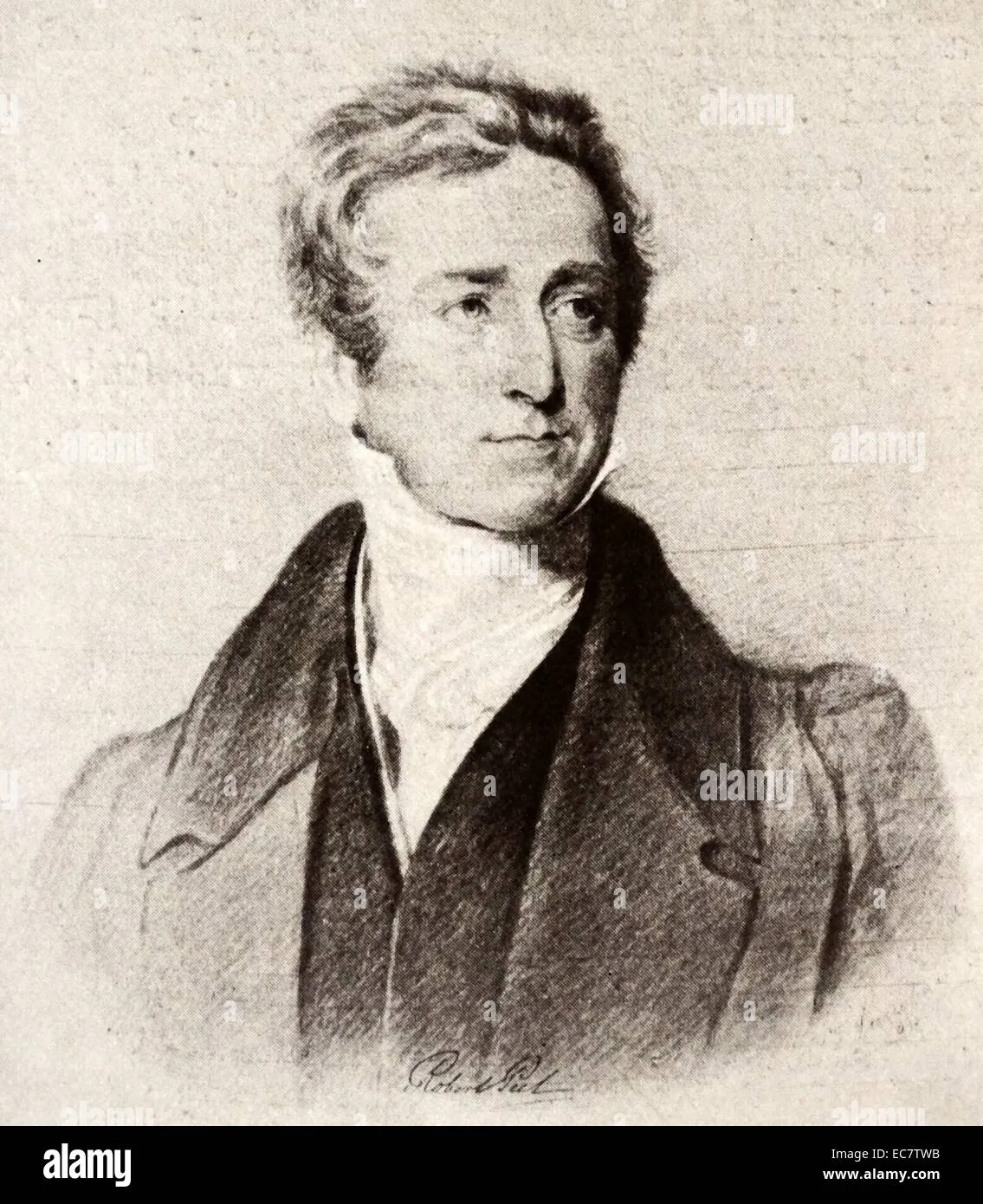 Photo: Sir Robert Peel, via c8.alamy.com
The Statistics Tell the Story
Recent freedom of information requests reveal the extent of this two-tier approach. Extinction Rebellion activists have been arrested and released without charge at rates far exceeding other protest groups. Meanwhile, individuals posting social media content critical of mass immigration or gender ideology face prosecution rates that would make authoritarian regimes proud.
The Crown Prosecution Service's own data shows that "hate crime" prosecutions have increased by 324% since 2014, with the vast majority targeting working-class individuals for expressing traditional views on social media. Yet actual violent crime prosecutions have declined, with many forces now openly stating they lack resources to investigate burglary, theft, or assault.
Beyond Operational Failures
This isn't merely about operational incompetence or resource allocation — it represents a conscious choice by police leadership to prioritise ideological conformity over public safety. When Assistant Commissioner Matt Jukes describes policing "hate incidents" as more important than solving burglaries, he's making a political statement about whose concerns matter in modern Britain.
The consequences extend far beyond individual cases of unfair treatment. Public trust in policing has collapsed precisely because ordinary citizens recognise that they're subject to different rules than favoured activist groups. When the police become perceived as the enforcement arm of a particular political ideology, they cease to be a police service and become something far more dangerous to democratic society.
The Opposition's Hollow Defence
Defenders of current policing practices typically resort to claims about "operational independence" and "complex public order challenges." This misses the point entirely. No one questions the difficulty of modern policing or the need for tactical flexibility. What cannot be defended is the systematic application of different legal standards based on political identity.
The argument that police must be "sensitive to community concerns" becomes meaningless when only certain communities receive such sensitivity. Working-class communities concerned about crime rates or cultural change find their voices dismissed, whilst middle-class activists demanding ideological compliance receive immediate attention and resources.
Restoring Equal Justice
The solution requires more than tactical adjustments — it demands fundamental reform of police leadership and training. The College of Policing must abandon its role as an ideological seminary and return to teaching basic law enforcement. Chief Constables who view themselves as social justice warriors rather than crime fighters should find alternative employment.
Most importantly, Parliament must reassert democratic oversight of policing priorities. The current system allows unelected police leaders to set their own political agenda whilst claiming operational independence. This represents an inversion of democratic accountability that would have been unthinkable to previous generations.
The Constitutional Crisis We Cannot Ignore
Two-tier policing represents nothing less than a constitutional crisis. When law enforcement becomes selectively applied based on political considerations, the social contract that underpins democratic society begins to break down. Citizens who see themselves as subject to different rules than their political opponents will inevitably lose faith in the system itself.
Britain's police forces must choose: serve the law equally for all citizens, or continue down the path toward becoming an ideological enforcement mechanism. The choice they make will determine whether we remain a nation governed by law or become something altogether different.
A police service that picks sides based on politics has ceased to be a police service at all — it has become the enemy of the very society it claims to protect.