The Assisted Dying Bill: Why Britain Is Rushing Toward a Law It Isn't Ready For
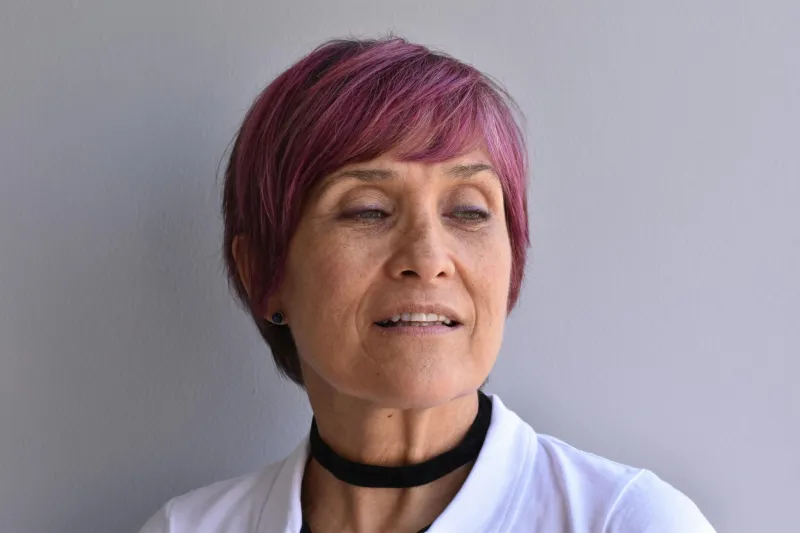
The Assisted Dying Bill: Why Britain Is Rushing Toward a Law It Isn't Ready For
The Terminally Ill Adults (End of Life) Bill passed its Second Reading in the House of Commons by 330 votes to 275 on 29 November 2024, marking the first time in nearly a decade that Parliament has voted to advance assisted dying legislation. Labour MP Kim Leadbeater's private member's bill would allow terminally ill adults with six months to live to request assistance to end their lives, subject to approval from two doctors and a High Court judge.
 Photo: House of Commons, via 3.bp.blogspot.com
 Photo: Kim Leadbeater, via a57.foxnews.com
Yet for all the talk of compassion and dignity, this legislation represents a profound shift in the relationship between the state and human life — one that Britain is manifestly unprepared to navigate safely.
The Safeguarding Mirage
Proponents tout the Bill's safeguards as robust, but they rest on foundations of sand. The requirement for two independent medical opinions sounds reassuring until you consider that terminal prognosis is notoriously unreliable. Studies consistently show that doctors overestimate survival time in roughly 60% of cases, sometimes by months or years. The Bill's six-month threshold becomes meaningless when medical certainty is itself uncertain.
The involvement of High Court judges adds a veneer of judicial oversight, but judges are not medical professionals. They will rely on the same fallible medical assessments that form the basis of the application. More troubling still, the Bill provides no mechanism for ongoing review once approval is granted — a person could receive permission to die, then live for years beyond their prognosis with no requirement to reassess their situation.
Perhaps most concerning is the absence of any cooling-off period between approval and death. Unlike other irreversible decisions in law, which typically include reflection periods, this Bill allows someone to die within days of judicial approval. That is not caution; it is recklessness dressed as compassion.
The Pressure Cooker Effect
The conservative objection to assisted dying is not rooted in religious dogma but in hard-headed realism about human nature and institutional pressures. When death becomes a legal option, it inevitably becomes an expected option — particularly for those who view themselves as burdens.
Canada's experience should terrify anyone serious about protecting vulnerable people. Since legalising Medical Assistance in Dying (MAiD) in 2016, Canada has witnessed a relentless expansion of eligibility criteria. What began as relief for terminally ill patients now encompasses those with disabilities, mental illness, and even poverty-related suffering. Canadian veterans have been offered MAiD instead of adequate support services. The poor are choosing death because they cannot afford to live with dignity.
Britain's NHS creates additional perverse incentives. With chronic underfunding, bed shortages, and rationed care, the health service already struggles to provide adequate palliative care. Only 25% of those who need specialist palliative care currently receive it. In this context, assisted dying becomes not a choice but a cheaper alternative to proper end-of-life care. The Bill's supporters dismiss such concerns as hypothetical, but Belgium's data shows that 'being a burden' is cited by 47% of those choosing euthanasia — hardly the autonomous choice advocates claim.
Parliamentary Process in Overdrive
The speed with which this Bill is proceeding should alarm anyone who values careful legislation. Private members' bills typically receive limited parliamentary time, yet this proposal — which fundamentally alters the legal status of human life — is racing through with minimal scrutiny.
MPs were given just five hours of debate before the Second Reading vote, barely sufficient to examine the Bill's 38 clauses and multiple schedules. The government has remained studiously neutral, denying Parliament the benefit of official impact assessments, legal analysis, or departmental expertise. This is legislation by stealth, not democratic deliberation.
Contrast this with other jurisdictions that have taken years to develop assisted dying frameworks. Oregon spent over two decades refining its Death with Dignity Act. Even then, implementation revealed unforeseen complications and required multiple amendments. Britain is attempting to compress this learning curve into months — a timeline that serves political convenience, not public safety.
The Slippery Slope Is Not a Fallacy
Critics of assisted dying are often accused of deploying 'slippery slope' arguments, as if the gradual expansion of euthanasia eligibility were merely theoretical. Yet empirical evidence from every jurisdiction that has legalised assisted dying shows consistent mission creep.
The Netherlands began with terminal illness in 2002; by 2020, 4.5% of all deaths were euthanasia, including those with dementia, psychiatric conditions, and 'completed life' syndrome. Belgium has euthanised children, psychiatric patients, and those suffering from depression alone. Canada's MAiD programme now accounts for 4.7% of all deaths, with 31% citing 'isolation or loneliness' as a contributing factor.
This expansion is not accidental but inevitable. Once society accepts that some lives are not worth living, the definition of 'unbearable suffering' becomes increasingly elastic. Legal challenges mount, advocacy groups push boundaries, and what begins as a narrow exception becomes a broad entitlement.
What True Compassion Looks Like
The genuine conservative position on end-of-life care prioritises dignity through life, not dignity through death. Britain's palliative care services, while world-leading in quality, reach barely a quarter of those who need them. Hospice care faces chronic underfunding, with many areas lacking any specialist provision.
Instead of rushing toward assisted dying, Parliament should focus on guaranteeing universal access to expert pain management, psychological support, and spiritual care. The £84 million that hospices struggle to raise annually through charity represents less than the NHS spends in a single day. If we truly valued human dignity, this disparity would be unconscionable.
Dame Cicely Saunders, founder of the modern hospice movement, understood that proper palliative care eliminates the physical suffering that drives people to seek hastened death. Countries with robust palliative care infrastructure see minimal demand for euthanasia — a correlation that should inform policy-making.
 Photo: Dame Cicely Saunders, via img.freepik.com
The Verdict
The Terminally Ill Adults (End of Life) Bill represents a fundamental departure from Britain's commitment to protecting vulnerable life, rushed through Parliament without adequate safeguards or scrutiny. While proponents speak of choice and autonomy, the evidence from other jurisdictions shows that assisted dying quickly becomes a substitute for proper care rather than a last resort.
True compassion lies not in offering death as a solution to suffering, but in ensuring that no one suffers needlessly while living — and any MP who votes for this flawed Bill without demanding proper safeguards is abandoning their duty to protect those who cannot protect themselves.