The Crown Prosecution Service Has Lost the Plot: Why Britain's Prosecutors Are Chasing Thought Crimes Instead of Real Criminals

The Crown Prosecution Service has fundamentally lost sight of its purpose. While rape conviction rates plummet to historic lows and knife crime ravages Britain's streets, our prosecutors are busy hunting down keyboard warriors and pursuing ideological vendettas against ordinary citizens who dare express unfashionable opinions online.
The Numbers Don't Lie
The statistics are damning. According to the CPS's own data, the conviction rate for rape cases has fallen to just 1.6% of all reported incidents reaching court—down from 7.1% in 2016. Meanwhile, prosecutions for 'malicious communications' and 'grossly offensive' online content have surged by over 180% in the past five years. The message is clear: Britain's justice system considers a crude tweet more worthy of prosecution than the sexual assault of women and children.
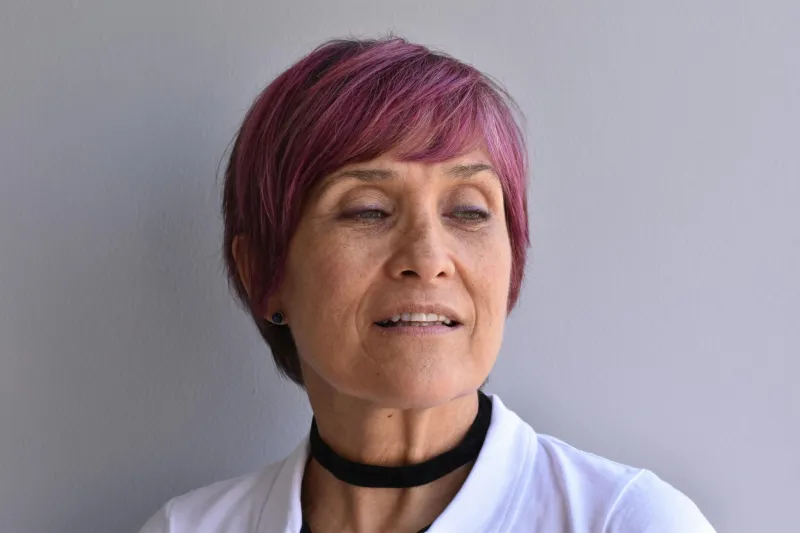
This isn't merely a question of resources, though the CPS's chronic underfunding certainly plays a role. This is about priorities, and the current leadership has made theirs abundantly clear. Under Director of Public Prosecutions Max Hill KC, the service has systematically shifted focus away from protecting the public from genuine harm toward enforcing a progressive orthodoxy that treats hurt feelings as seriously as physical violence.
 Photo: Max Hill KC, via www.legal500.com
The Ideology Driving Prosecutorial Capture
The transformation didn't happen overnight. It began with the steady infiltration of activist lawyers into senior CPS positions, many of whom view their role not as impartial administrators of justice but as social engineers tasked with reshaping British society. These prosecutors see themselves as the vanguard of progressive change, using the criminal law as a weapon to silence dissent and enforce ideological conformity.
Consider the recent prosecution of a grandmother for sharing a meme deemed 'transphobic' on Facebook, while simultaneously declining to charge a gang of youths caught on CCTV attacking an elderly man in broad daylight. The disparity isn't accidental—it reflects a deliberate policy choice that prioritises protecting certain identity groups from offence over protecting all citizens from violence.
Real Victims, Imaginary Justice
The human cost of this misplaced focus is devastating. Victims of serious crimes are being failed on an industrial scale. Sexual assault survivors wait years for their cases to reach court, only to watch prosecutors drop charges at the first sign of complexity or challenge. Families of knife crime victims see their loved ones' killers walk free due to 'insufficient evidence,' while the same prosecutors somehow find the resources and resolve to pursue lengthy investigations into social media posts.
The contrast is particularly stark in cases involving so-called 'hate crimes.' A recent analysis by Policy Exchange found that the CPS is twice as likely to pursue charges for online harassment when the alleged victim belongs to a protected characteristic group, despite identical evidence standards. This two-tier approach to justice undermines the fundamental principle that the law should protect all citizens equally, regardless of their identity or political beliefs.
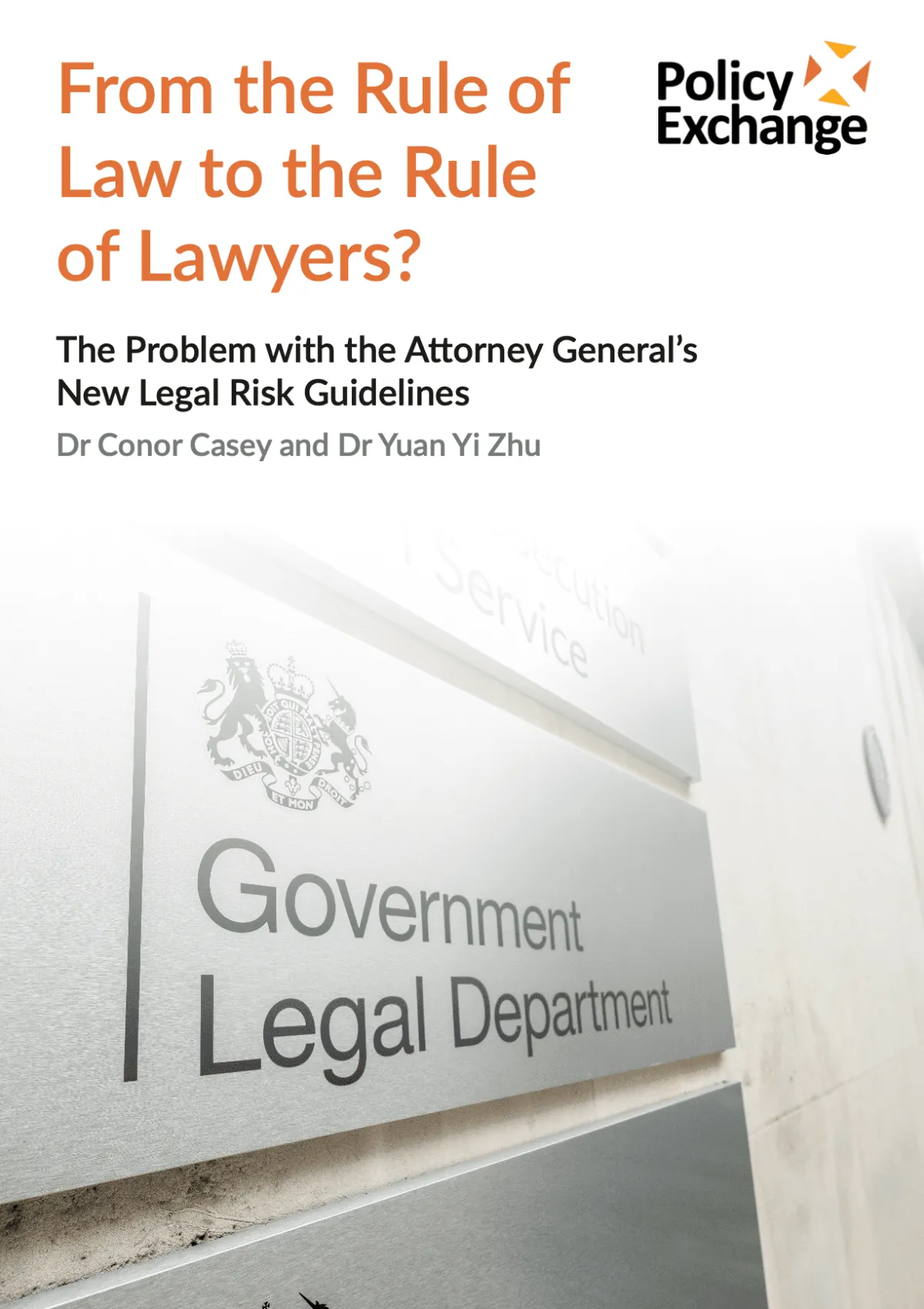 Photo: Policy Exchange, via policyexchange.org.uk
The COVID Precedent
The CPS's authoritarian instincts were laid bare during the COVID-19 pandemic, when prosecutors enthusiastically pursued cases against lockdown violators while simultaneously allowing actual criminals to escape justice through 'early release' schemes. The service issued detailed guidance on prosecuting people for leaving their homes without reasonable excuse, but struggled to maintain basic prosecution rates for burglary and assault.
This selective enforcement revealed the true nature of the modern CPS: an organisation more interested in enforcing government diktat than protecting the public. When push came to shove, prosecutors chose compliance over justice, politics over principle.
The Democratic Deficit
Perhaps most troubling is the complete absence of democratic accountability in this process. The CPS operates with minimal parliamentary oversight, and its senior leadership is effectively immune from public pressure. MPs can huff and puff in select committee hearings, but they have no meaningful power to force prosecutors to focus on crimes that actually matter to their constituents.
This democratic deficit allows the service to pursue ideological hobby horses while ignoring public priorities. Opinion polling consistently shows that voters want prosecutors to focus on violent crime, sexual offences, and theft—not policing Twitter or enforcing progressive speech codes. Yet the CPS continues to prioritise the latter, safe in the knowledge that no one can stop them.
The Way Forward
Reforming the CPS requires more than new leadership—it demands structural change. Parliament must assert direct oversight over prosecutorial priorities, with regular public hearings where senior prosecutors are forced to justify their decisions to elected representatives. The service's performance should be measured not by abstract 'hate crime' statistics but by tangible outcomes: conviction rates for serious offences, victim satisfaction scores, and public safety metrics.
Most importantly, the law itself must be clarified to prevent prosecutors from criminalising legitimate political expression. The current framework of 'hate speech' legislation is so vague and subjective that it invites abuse by activist prosecutors seeking to silence their ideological opponents.
Britain deserves a prosecution service that protects the innocent and punishes the guilty—not one that treats conservative opinions as criminal offences while real criminals roam free. Until the CPS returns to its core mission, ordinary citizens will continue to suffer the consequences of prosecutorial activism masquerading as justice.